
"medium potential"
900 article(s) found

Global coffee producing area-Philippines
Coffee was introduced into the Philippines (Philippines) in the early 19th century and by 1880 the country had become the fourth largest coffee exporter in the world. However, due to the spread of coffee rust, the country became a coffee importer soon after 1880. However, the coffee growing industry has gradually recovered. Coffee production in the Philippines: the Philippines is one of the few countries that can grow four varieties of coffee.
Coffee from the Philippines
Coffee was introduced into the Philippines (Philippines) in the early 19th century and by 1880 the country had become the fourth largest coffee exporter in the world. However, due to the spread of coffee rust, the country became a coffee importer soon after 1880. However, the coffee growing industry has gradually recovered. Coffee production in the Philippines: the Philippines is one of the few countries that can grow four varieties of coffee.
Basic knowledge of Fine Coffee Coffee from the Philippines
Coffee was introduced into the Philippines (Philippines) in the early 19th century and by 1880 the country had become the fourth largest coffee exporter in the world. However, due to the spread of coffee rust, the country became a coffee importer soon after 1880. However, the coffee growing industry has gradually recovered. Coffee production in the Philippines: the Philippines is one of the few countries that can grow four varieties of coffee.

The coffee producing area of the Philippines.
Coffee was introduced into the Philippines (Philippines) in the early 19th century and by 1880 the country had become the fourth largest coffee exporter in the world. However, due to the spread of coffee rust, the country became a coffee importer soon after 1880. However, the coffee growing industry has gradually recovered. Coffee production in the Philippines: the Philippines is one of the few countries that can grow four varieties of coffee.
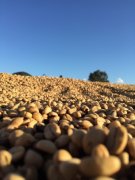
Philippine Coffee the characteristics and market of Philippine coffee
Coffee was introduced into the Philippines (Philippines) in the early 19th century and by 1880 the country had become the fourth largest coffee exporter in the world. However, due to the spread of coffee rust, the country became a coffee importer soon after 1880. However, the coffee growing industry has gradually recovered. Coffee production in the Philippines: the Philippines is one of the few countries that can grow four varieties of coffee.
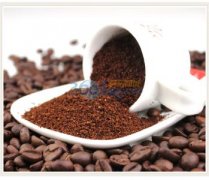
Boutique coffee bean producing countries introduce Philippine coffee
Coffee was introduced into the Philippines (Philippines) in the early 19th century and by 1880 the country had become the fourth largest coffee exporter in the world. However, due to the spread of coffee rust, the country became a coffee importer soon after 1880. However, the coffee growing industry has gradually recovered. Coffee production in the Philippines: the Philippines is one of the few countries that can grow four varieties of coffee.

Global Coffee producing area-Philippine Coffee Market
Coffee was introduced into the Philippines (Philippines) in the early 19th century and by 1880 the country had become the fourth largest coffee exporter in the world. However, due to the spread of coffee rust, the country became a coffee importer soon after 1880. However, the coffee growing industry has gradually recovered. Coffee production in the Philippines: the Philippines is one of the few countries that can grow four varieties of coffee.
Burundian Coffee introduction
Straddling the Nile and Congo basins, the landform is dominated by hills and mountains, with excellent coffee cultivation elevations. The history of coffee cultivation in Burundi is not long, its coffee planting industry is carried out entirely in the form of small family farms, there is a great difference in quality, and years of war and social unrest have made its coffee planting industry very chaotic. But I have to admit that there is a high output here.

Introduction to the coffee producing area of Esp í rito Santo in Brazil
Esp í rito Santo (Espirito Santo) has a larger area than other Brazilian coffee producing areas.

Introduction to the flavor and taste of Tieka Coffee Manor with walnut aroma
Small-grain coffee is suitable for growing in the mountains at an altitude of 800 to 1800 meters. If the altitude is too high, it will taste sour, and if it is too low, it will taste bitter. Small grains of coffee are mostly planted in dry and hot valleys about 1100 meters above sea level, so they are moderately sour, rich and mellow. There is a unique environment suitable for the growth of small seed coffee in many areas of Yunnan, and the quality of small seed coffee is excellent. The planting area is mainly distributed in the

Grading, price, raw bean and baking curve of single bean in Esseguji Xia Qiso producing area
For the exchange of professional baristas, please pay attention to the coffee workshop (Wechat official account cafe_style) Essegujia Chiso production area single bean classification, price, raw beans and baking curve □ Ethiopia is divided into four grades, in the order of Region, Zone, woreda, kebele. Most of the raw coffee beans are named according to this rule.
The difference between Arabica and Robusta
In many places where coffee is sold, it is not difficult to find words like "100% Arabica". Even canned coffee appears in a style called "XX Arabica Coffee", which makes one wonder: what is "Arabica Coffee"?

Arabica Coffee Bean Flavor description Taste quality characteristics introduction to Grinding and Calibration treatment
Arabica coffee bean flavor description characteristics of taste quality grinding scale treatment Arabica coffee accounts for 75% of the world coffee output, the quality of Arabica coffee varies widely, good and bad. In recent years, a few countries (such as India) have devoted themselves to improving the quality of Robusta coffee, planting it at high altitudes, providing the most careful care, and fine washing.

What are Costa Rican coffee grades? Musician Series Mozart Treatment Flavor Features
Costa RicaMozart Country of Origin: Costa RicaRegion of Origin: TaraPearl Altitude: 1800m Variety: H1 Treatment: Raisin Honey Treatment Roast Degree: Medium Light Roasting Recommended by SCA Hand-brewed coffee gram weight is 15g Coffee powder 90 degrees to 91 degrees Hot water 225 ml, water powder ratio 1:15. Flavors are complex floral and fermented sauces with raisins and dried fruit

Spicy aftertaste of Burundi coffee flavor Introduction Jackson Bourbon variety
Burundi coffee has been in a state of chaos for a long time, with a large number of old and new green beans mixed together, making this coffee unsuitable for grading. The coffee is coarse but mild and has characteristics similar to Kenya coffee. Sweet, fruity flavor with a spicy finish. Dry aroma (1-5): Not applicable Wet aroma (1-5): Not applicable Acid

Introduction to the characteristics of Burundian Coffee flavour Manor with Fruit Flavor
There are two major ethnic groups in Burundi, and only about 15 percent of the Tutsi have ruled the country since the 16th century, controlling the civilian population, which is mainly made up of Hutu, plus a very small number of indigenous Twa. This abnormal social structure in which ethnic minorities occupy a high position has buried the evil seed of national instability, and in 1

What are the main flavor characteristics of Bolivian coffee beans
Professional coffee knowledge exchange more information about coffee beans Please follow the coffee workshop (Wechat official account cafe_style) if you want to talk about the paradise where coffee beans grow, it is not a paradise. This region can be regarded as one of the most popular boutique coffee producing areas. Most of the coffee beans in this area are sweet and very popular, but the quantity of coffee beans is very small.

Introduction of Burundian Coffee Bean Flavor description method Grinding Calibration Variety producing area
Dry aroma (1-5): does not apply wet aroma (1-5): does not apply acidity (brightness) (1-10): does not apply taste (layering) (1-10): does not apply taste (alcohol thickness) (1-5): does not apply aftertaste (residue) (1-10): does not apply balance (1-5): does not apply base score (50): does not apply total score (maximum 100): not applicable strength / master

Introduction to the origin of Burundian coffee flavor and taste
Due to ethnic divisions, the chaos of Burundian coffee has been going on for a long time, with a large number of raw beans mixed with the old and new, making this coffee unsuitable for grading. This coffee is rough but mild, and has characteristics similar to Kenyan coffee. The flavor is sweet and fruity, with a slightly spicy finish. Dry aroma (1-5): not suitable for wet aroma

Coffee bean producing countries have a strict grading system, what are the specific standards?
Professional coffee knowledge exchange more coffee bean information please follow the coffee workshop (Wechat official account cafe_style) Brazil classification system also includes the size of beans